Solar Skin Panels: Custom Commercial Rooftop Branding 2025
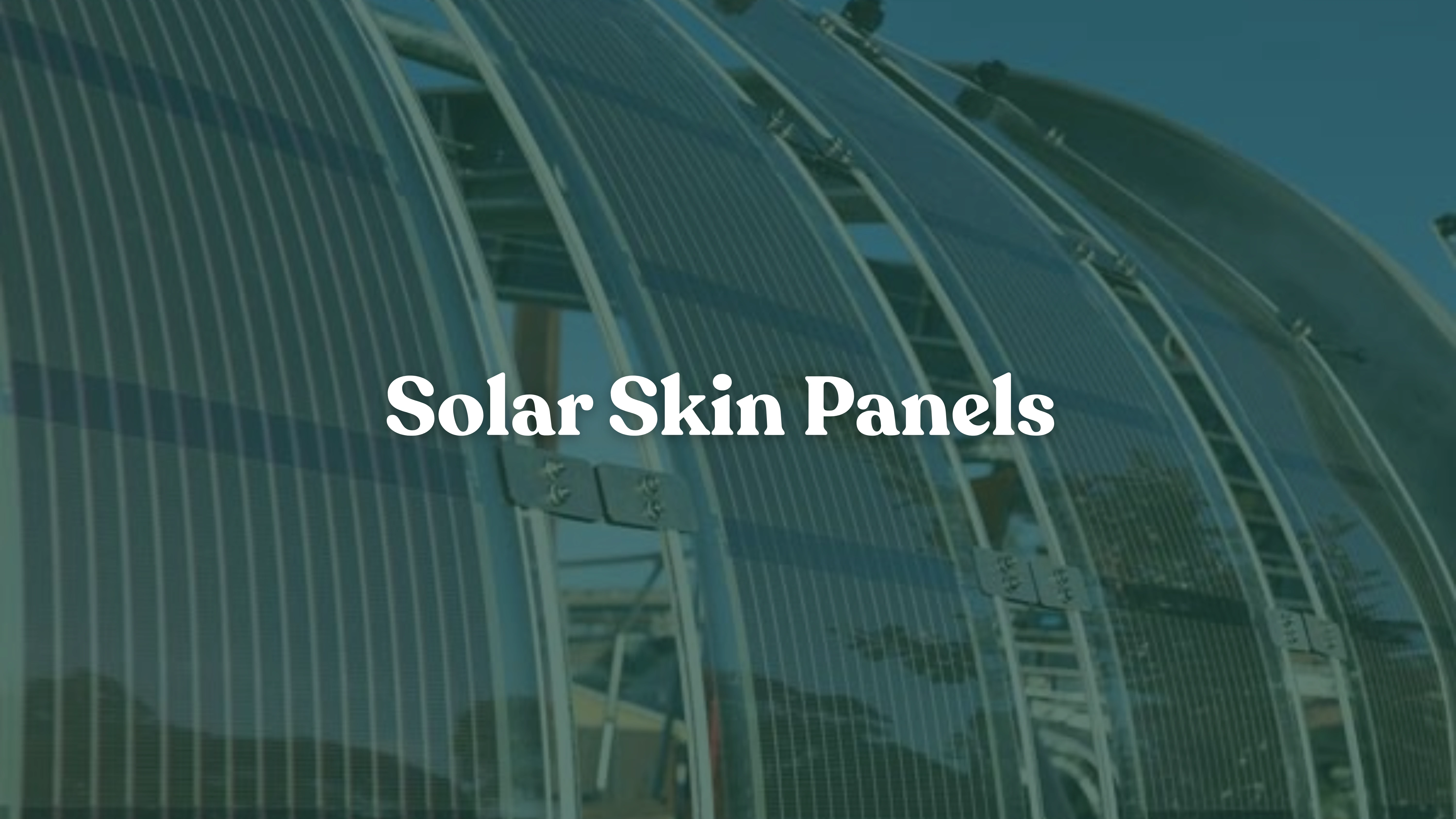
Why Solar Skin Panels Are Revolutionizing Commercial Rooftops: The Ultimate Guide to Customizable Aesthetics and Brand Integration.
Solar skin panels are transforming commercial solar installations by combining energy generation with powerful branding opportunities. While they reduce efficiency by 5-15%, they deliver unmatched aesthetic customization and marketing value that more than compensates for the slight energy trade-off.
Commercial solar installations no longer have to be an eyesore on your building. Thanks to groundbreaking solar skin technology, businesses across America are turning their rooftops into powerful marketing assets while generating clean energy. This game-changing innovation is reshaping how we think about commercial solar aesthetics.
What Are Solar Skin Panels?
Solar skin panels represent a breakthrough in photovoltaic aesthetics. These systems use a specialized overlay technology that transforms traditional solar panels into customizable surfaces that can display virtually any design, logo, or pattern while maintaining energy production capabilities.

The technology works through selective light filtration – allowing specific wavelengths of sunlight to pass through to the underlying photovoltaic cells while displaying vibrant graphics on the surface. This innovative approach enables businesses to maintain their brand identity and architectural aesthetics without sacrificing their commitment to renewable energy.
The MIT Innovation Behind Solar Skin Technology
Sistine Solar, the pioneer in this field, emerged from MIT’s innovation ecosystem in 2012. Founded by MIT graduate students who recognized the aesthetic barriers preventing widespread solar adoption, the company developed what they call “SolarSkin” – a patented graphic overlay that can be applied to any traditional solar array.
The technology addresses a critical market barrier: the Department of Energy estimates that 13 million American homes avoid solar installation primarily due to aesthetic concerns. This challenge is even more pronounced in the commercial sector, where buildings serve as brand ambassadors and architectural statements.
How Solar Skin Technology Works
Solar skin technology employs sophisticated selective light filtration systems that preserve up to 99% of the energy yield from natural sunlight. The process involves:
Advanced Material Engineering: The skins use proprietary algorithms combining color theory, cognitive sciences, and human visual perception to create designs that are both visually striking and energy-efficient.
Precision Manufacturing: High-tech printing processes apply microscopic dots onto durable vinyl substrates, with white ink backing ensuring even light distribution without creating excess heat.
Weather-Resistant Construction: The materials are engineered to withstand 30-40 years of extreme outdoor conditions, from Arizona’s relentless sunshine to Florida’s humid heat and northern freeze-thaw cycles.
Efficiency Trade-offs: The Real Numbers
Let’s address the elephant in the room – efficiency impact. Solar skin panels typically retain 85% to 95% of their stated energy production, depending on design complexity and color choices. This translates to efficiency rates of approximately 15% to 17%, which remains competitive with many standard commercial panels.

For perspective, while traditional commercial solar panels achieve 19-22% efficiency, the slight reduction with solar skins is often offset by:
- Increased system adoption due to aesthetic appeal
- Marketing and branding value that generates revenue beyond energy savings
- Extended panel protection from UV exposure and environmental factors
The financial equation often favors solar skins when you factor in the marketing value, brand visibility, and potential for premium positioning that comes with custom-designed installations.
Branding Integration: Turning Rooftops into Marketing Assets
Commercial solar skin applications are revolutionizing corporate sustainability marketing. Businesses are discovering that their solar installations can serve dual purposes: energy generation and brand promotion.
Corporate Branding Applications:
- Company logos prominently displayed on large roof arrays
- Custom color schemes matching corporate brand guidelines
- Seasonal or campaign-specific graphics that can be updated
- Integration with architectural elements for seamless building design
Marketing ROI Considerations: A large commercial installation with branded solar skins provides 24/7 brand visibility. For businesses in high-traffic areas or near airports, this represents significant advertising value that traditional rooftop advertising would cost thousands of dollars monthly to achieve.
Case Studies in Commercial Success: Forward-thinking companies are already leveraging this technology. From manufacturing facilities showcasing sustainability commitments to retail locations reinforcing their environmental brand positioning, solar skins are proving their worth beyond energy generation.
Installation Considerations for Commercial Projects
Installing solar skin systems requires specialized expertise to ensure optimal performance and aesthetics. The process involves several critical steps:
Pre-Installation Assessment:
- Structural evaluation for panel placement and wind load considerations
- Optimal orientation analysis for both energy production and visual impact
- Integration planning with existing building systems and aesthetics
Professional Installation Requirements:
- Certified installers experienced with both solar systems and skin application
- Precise alignment to ensure both energy efficiency and visual appeal
- Quality control protocols to prevent air bubbles or misalignment
Maintenance Protocols: Solar skins actually provide an additional protective layer for underlying panels, potentially extending system lifespan. Maintenance involves standard panel cleaning with attention to preserving the graphic overlay integrity.
Cost-Benefit Analysis for Commercial Installations
While solar skins add approximately 10% to total system costs, the ROI calculation extends beyond simple energy savings:
Direct Financial Benefits:
- Federal tax credits apply to the entire system, including skin technology
- Reduced electricity costs (slightly lower than traditional panels but still substantial)
- Potential property value increase through enhanced building aesthetics
Indirect Value Creation:
- Brand visibility and marketing value
- Enhanced corporate sustainability positioning
- Potential for premium pricing or customer attraction based on environmental commitment
- Compliance with corporate sustainability mandates and ESG requirements
Future Trends and Technology Developments

The solar skin industry is rapidly evolving with several exciting developments on the horizon:
Enhanced Efficiency Technologies: Researchers are developing quantum dot-infused solar skins that could match or exceed traditional panel efficiency while maintaining full customization capabilities.
Smart Integration Features: Future iterations may include LED integration for nighttime visibility, dynamic display capabilities for changing messaging, and integration with building management systems.
Expanded Material Options: New substrate materials are being developed to provide even greater durability and color vibrancy while potentially reducing the efficiency trade-off.
Making the Business Case for Solar Skin Panels
For commercial decision-makers evaluating solar skin technology, consider these strategic factors:
Immediate Benefits:
- Differentiation from competitors through visible sustainability commitment
- Compliance with corporate environmental mandates
- Energy cost reduction with aesthetic preservation
Long-term Value:
- 25-30 year energy production with ongoing brand visibility
- Protection against rising energy costs
- Enhanced property value and marketability
Risk Mitigation:
- Established technology with proven durability
- Comprehensive warranties covering both energy production and aesthetic integrity
- Professional installation networks across all 50 states
Elevate Solar Installs with Aesthetics, Branding—and Energyscape Renewables
Solar skin panels are redefining what’s possible in commercial solar—blending clean energy with brand impact. But behind every visually stunning system is the need for precise engineering, permitting, and interconnection expertise.
That’s where Energyscape Renewables comes in. We help EPCs and installers deliver these innovative systems with accuracy, speed, and compliance—handling everything from customized plan sets to interconnection and PE stamping.
With Sunscape, our digital site survey and CRM platform, you streamline project workflows and ensure nothing gets lost in the details—no matter how custom the design.
Functional. Branded. Engineered by Energyscape.