
Solar Panel Scams in the U.S : How to Spot and Avoid Them
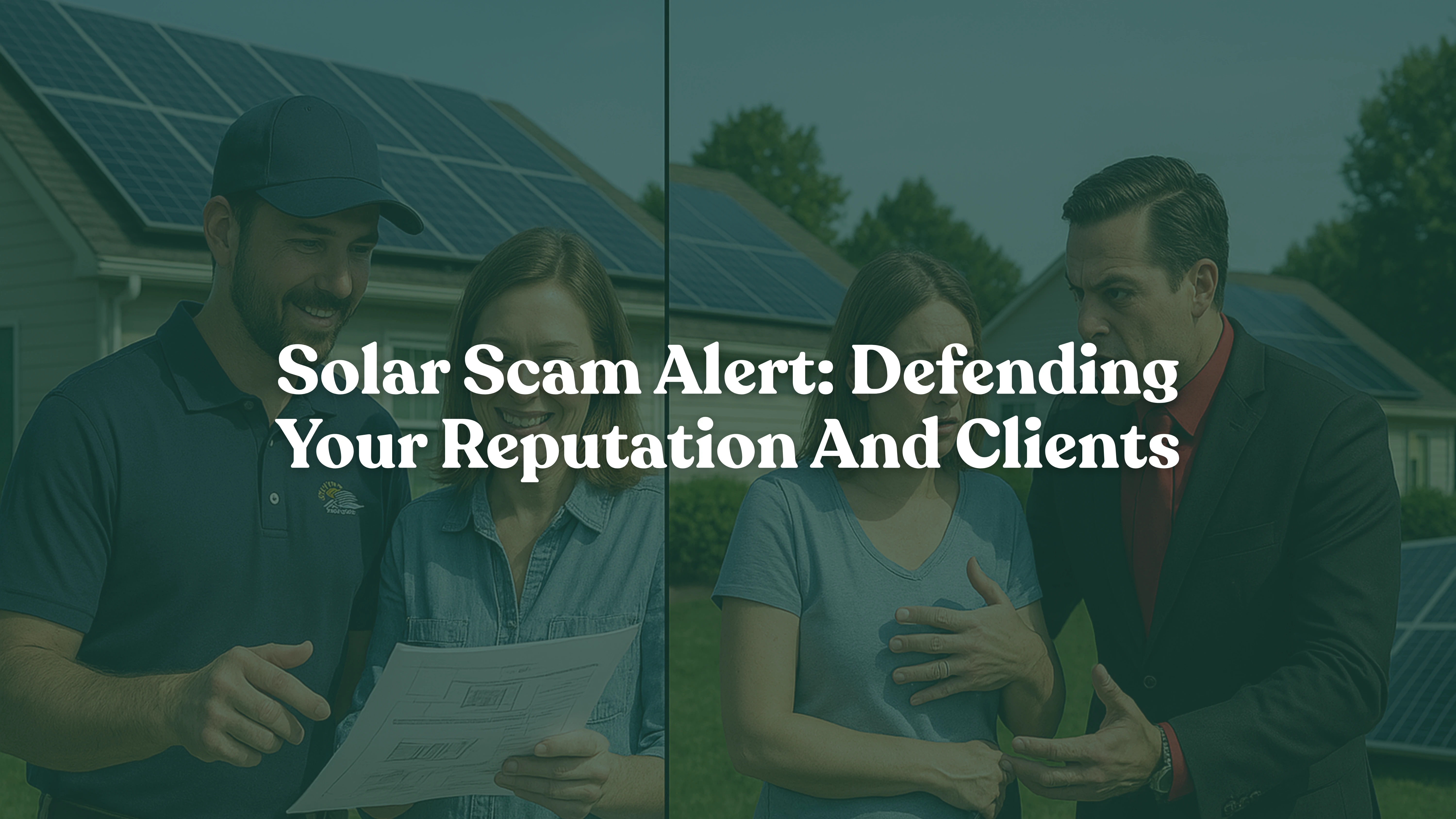
Solar Fraud Prevention: Protecting Your Business and Customers
The solar industry is booming; however, unfortunately, so are solar panel scams. As legitimate US Solar Installers and EPCs, you’re not just building clean energy solutions—instead, you’re also fighting an uphill battle against fraudulent operators who tarnish our industry’s reputation. Furthermore, these scammers exploit homeowners’ lack of knowledge about solar technology and incentive programs, consequently using deceptive tactics to close deals and maximize profits. Nevertheless, by understanding these scams and implementing proper safeguards, you can protect both your business and your customers while establishing yourself as a trusted industry leader.
The Growing Threat of Solar Industry Scams
Solar energy has become more affordable and popular than ever—but unfortunately, so have the scams. Meanwhile, the Federal Trade Commission, Consumer Financial Protection Bureau, and multiple federal agencies have joined forces to combat this growing problem. Although just 1.5 percent of households report being dissatisfied with their solar installations, regulators have nevertheless seen an uptick in solar consumer complaints over the past decade.

Additionally, solar panel scams cost American families thousands of dollars annually and create lasting distrust toward legitimate installers. For instance, these horror stories include an 81-year-old woman living on Social Security, told to press her finger to a tablet without knowing what she was signing. Moreover, forged signatures targeting elderly homeowners have become increasingly common.
Common Solar Fraud Prevention Tactics You Must Know

“Free Solar Panel” Deception
First and foremost, the most prevalent solar sales fraud involves misleading “free solar” advertisements. While tax credits, rebates, and incentives might be available for solar purchasers who qualify, offers for “free” or “no cost” solar panels are typically scams. Instead, these offers usually mask predatory lease agreements or power purchase agreements with escalating monthly payments.
Door-to-Door Solar Installer Fraud
Similarly, door-to-door solar salespeople can scam homeowners through forged signatures, fake government affiliations, and high-pressure tactics. In contrast, legitimate installers should never rush homeowners into signing contracts on electronic tablets without proper documentation review. Furthermore, authentic solar professionals always provide comprehensive written agreements and adequate time for contract review.
E-Signature and Document Fraud
Additionally, many door-to-door salespeople carry iPads with electronic contracts, sometimes creating email addresses for customers and forging signatures on 25-year loans. As a result, the National Consumer Law Center has petitioned the CFPB to address e-signature fraud specifically in solar installations.
How Fraudulent Solar Companies Impact Your Business
Reputation Damage
First, when scammers operate in your market, they inevitably damage trust in all solar installers. As a result, potential customers become skeptical of legitimate offers, making your sales process more challenging. Furthermore, this skepticism extends sales cycles and increases customer acquisition costs significantly.
Increased Compliance Requirements
Moreover, the FTC’s new Impersonation Rule requires solar companies to be more transparent about costs, financing options, and avoid overpromising savings from tax credits or incentives. Therefore, legitimate EPCs must now navigate additional regulatory scrutiny while maintaining competitive pricing.
Customer Education Burden
Additionally, you’ll spend more time educating prospects about legitimate solar practices versus scam tactics, extending your sales cycle. However, this educational approach can ultimately strengthen customer relationships and reduce post-installation issues.
Protecting Your Solar Energy Fraud Prevention Strategy
Implement Transparent Pricing Practices

To begin with, be transparent about what you’re offering, disclose the total cost for your product or service, and be clear about financing options. Furthermore, this builds trust and differentiates you from fraudulent operators. Additionally, providing detailed cost breakdowns helps customers make informed decisions.
Establish Proper Documentation Protocols
Similarly, never rush customers through contract signings. Instead, provide detailed written agreements in the customer’s primary language, and ensure they understand all terms before signing. Moreover, the E-Sign Act requires that consumers clearly demonstrate technological literacy and can easily access any documents they e-sign.
Verify Industry Credentials
Furthermore, reputable solar companies are licensed and certified by recognized organizations like the North American Board of Certified Energy Practitioners (NABCEP). Consequently, display your certifications prominently and encourage customers to verify your credentials.
Educational Marketing Approach
Meanwhile, share resources from the Department of Energy, Federal Trade Commission, and other authoritative sources. In fact, legitimate businesses help consumers make informed decisions about whether powering with solar or clean energy is right for them.
Solar Scam Tactics Targeting Your Customers
False Government Program Claims
First, scammers often claim affiliation with utility companies or government agencies. However, the federal government does not install solar systems in homes for free, and utility representatives don’t conduct door-to-door sales visits. Therefore, educating customers about legitimate government programs versus fraudulent claims is essential.
High-Pressure Sales Techniques
Additionally, promises of “special programs” and offers that end on very tight time frames are warning signs—customers should never feel rushed into signing multi-decade contracts. In contrast, legitimate solar professionals encourage customers to take time researching options and comparing multiple quotes.
Misleading Financing Terms
Moreover, “zero-down” solar deals often conceal balloon payments or lengthy leases, with scammers glossing over details or claiming it’s a government subsidy. Instead, honest installers clearly explain all financing terms, including potential rate increases and long-term financial implications.
Building Customer Trust Through Solar Industry Scams Awareness

Competitive Analysis and Pricing Transparency
First and foremost, one of the most effective ways to protect customers from solar panel scams is to help them know the average cost of solar panels in their area. Additionally, provide market-rate comparisons and explain pricing variations clearly. Furthermore, this transparency demonstrates your commitment to honest business practices.
Professional Sales Process
Similarly, encourage customers to get multiple quotes, take time reviewing contracts, and research your company thoroughly. In fact, reputable firms will understand and respect the customer’s research process. Moreover, providing references and encouraging due diligence demonstrates confidence in your services.
Ongoing Support and Communication
Furthermore, establish clear warranty policies, maintenance schedules, and customer service protocols. As a result, this demonstrates long-term commitment that scammers can’t match. Additionally, ongoing communication helps maintain positive customer relationships throughout the system’s lifetime.
Regulatory Compliance in 2025
Meanwhile, the regulatory landscape continues evolving. Specifically, the CFPB finalized a rule applying mortgage-level protections to PACE loans, and federal agencies are increasing solar fraud enforcement. Therefore, staying current with regulations is essential for legitimate solar professionals.
Consequently, stay current with:
- FTC Impersonation Rule compliance
- State-specific solar regulations
- NABCEP certification requirements
- Local licensing and permitting standards
Conclusion: Partnering with Trusted Solar Professionals
In conclusion, solar panel scams represent a serious threat to our industry; however, they also create opportunities for legitimate installers and EPCs who prioritize transparency, education, and customer protection. Furthermore, by implementing comprehensive fraud prevention strategies and maintaining the highest professional standards, you can build lasting customer relationships while contributing to sustainable industry growth.
At Energyscape Renewables, we understand the challenges facing legitimate solar professionals in today’s market. Moreover, our comprehensive EPC services help installers navigate regulatory complexities while delivering exceptional customer experiences that build trust and referrals. Additionally, we work exclusively with certified professionals who share our commitment to industry integrity and customer protection.
For additional resources on solar industry best practices and fraud prevention, visit Sunscape Solar for expert insights and educational materials that help both installers and customers make informed decisions about solar energy investments.
sjayakanth@energyscaperenewables.com