
7 Solar O&M Best Practices That Boost ROI by 40% in 2025

7 Solar O&M Best Practices
The solar industry has matured rapidly, but here’s what many installers and EPCs are just beginning to realize: the real money isn’t just in installation anymore—it’s in keeping those systems running at peak performance for decades. With solar panels designed to last 25-30 years, Solar O&M best practices can make or break your project’s financial success.
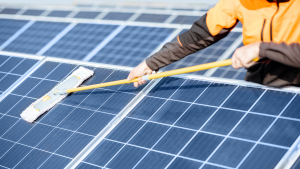
Recent industry data shows that well-maintained solar installations can maintain 95% of their original capacity after 20 years, while poorly maintained systems may drop to 85% or lower. That 10% difference translates to millions in lost revenue for utility-scale projects and significant performance gaps for commercial installations.
Let’s explore and understand the Solar O&M best practices in 2025.
Why Solar O&M Best Practices Matter More Than Ever in 2025
The solar landscape has shifted dramatically. With more than 135 GW of solar capacity installed across the United States, the focus has moved from rapid deployment to long-term performance optimization. Federal tax incentives now favor projects that demonstrate superior long-term performance, making preventative maintenance for utility-scale solar a critical competitive advantage.
Modern solar installations face unique challenges that didn’t exist a decade ago. Extreme weather events are more frequent, grid integration requirements are more complex, and customer expectations for system reliability have increased substantially. These factors make proactive O&M strategies essential rather than optional.
Smart installers and EPCs are recognizing that their reputation increasingly depends on how their systems perform years after installation. Poor long-term performance doesn’t just affect individual projects—it damages relationships with customers, impacts future sales opportunities, and can even affect financing terms for new projects.
Understanding Solar Panel Degradation: The Hidden Performance Killer
Solar panel degradation is inevitable, but its rate can be significantly controlled through proper maintenance strategies. Industry standards typically expect 0.5-0.8% annual degradation, but real-world performance varies widely based on maintenance quality.
Environmental factors accelerate degradation in predictable ways. Soiling from dust, pollen, and pollution can reduce output by 5-15% in just a few months without cleaning. Microcracks from thermal cycling, weather stress, or poor handling during installation can create hot spots that accelerate localized degradation.

Connection issues pose another major threat. Loose connections create resistance, generate heat, and can lead to arc faults or even fires. These problems are particularly common in utility-scale installations where thousands of connections must remain secure across decades of thermal cycling and weather exposure.
Smart installers track degradation patterns across their portfolio to identify common failure modes and adjust their maintenance strategies accordingly. This data-driven approach helps predict which systems need attention before problems become costly failures.
Essential Preventative Maintenance Strategies That Work
Successful preventative maintenance for utility-scale solar starts with understanding that different system components require different maintenance intervals and approaches. Developing a systematic maintenance schedule prevents small issues from becoming major problems.
Visual Inspections: Your First Line of Defense
Regular visual inspections catch problems early when they’re still cost-effective to fix. Monthly walk-throughs should focus on obvious damage, vegetation growth, and equipment condition. Look for cracked panels, loose mounting hardware, damaged cables, and signs of animal activity.
Quarterly detailed inspections dig deeper into system health. Check mounting system integrity, electrical connections, and grounding systems. Document any changes in vegetation patterns, drainage issues, or signs of unusual equipment stress.
Electrical Testing: Ensuring Peak Performance
Annual electrical testing provides critical performance data that visual inspections can’t reveal. String voltage and current measurements identify underperforming circuits before they significantly impact overall system output. Insulation resistance testing catches deteriorating cables before they fail.
Infrared thermography, performed at least annually, reveals hot spots that indicate failing connections, damaged panels, or other electrical issues. This non-invasive testing method can identify problems that would be impossible to find through visual inspection alone.
Remote Monitoring Tools: The Game-Changer for Modern O&M
Remote monitoring tools for O&M have revolutionized how successful installers manage their solar portfolios. Modern monitoring systems provide real-time performance data, automated alerts, and detailed analytics that make proactive maintenance possible at scale.
The best monitoring systems track performance at the string or even panel level, allowing operators to identify specific underperforming components quickly. Advanced systems use machine learning algorithms to distinguish between performance variations caused by weather and those indicating equipment problems.
Successful installers integrate monitoring data with maintenance scheduling software to optimize their service routes and prioritize the most critical issues. This data-driven approach reduces truck rolls, minimizes response times, and ensures maintenance resources focus on the highest-impact activities.
Weather integration adds another layer of intelligence to monitoring systems. By correlating performance data with local weather conditions, these systems can distinguish between expected performance variations and actual equipment problems.
Cleaning Protocols That Preserve Performance Without Breaking the Bank
Soiling is often the largest controllable factor affecting solar performance, but cleaning strategies must balance cost with effectiveness. Over-cleaning wastes money, while under-cleaning sacrifices performance.
Water quality considerations are critical for long-term panel health. Hard water leaves mineral deposits that can permanently etch panel surfaces, while recycled water may contain chemicals that damage anti-reflective coatings. Successful installers develop site-specific cleaning protocols based on local water quality and environmental conditions.
Automated cleaning systems make sense for large utility-scale installations in dusty environments, but they require their own maintenance and can introduce new failure modes. Manual cleaning remains more cost-effective for many commercial installations, especially when combined with smart scheduling based on soiling sensors.
Timing matters for cleaning effectiveness. Cleaning during peak sun hours can cause thermal shock that damages panels, while cleaning too late in the day may not provide enough time for panels to dry before dew formation.
Inverter Maintenance: Protecting Your Most Critical Component
Inverters typically require replacement or major servicing every 10-15 years, making them the highest-maintenance component in most solar installations. Proactive inverter maintenance significantly extends equipment life and prevents costly emergency failures.
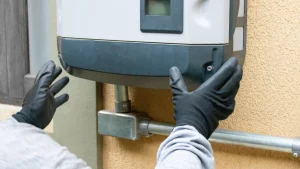
String inverters require regular inspection of cooling systems, particularly in dusty environments where air filters can become clogged quickly. Central inverters need more intensive maintenance, including regular inspection of power electronics, cooling systems, and control circuits.
DC combiner boxes, where present, require periodic inspection and cleaning. These often-overlooked components can harbor moisture, corrosion, and pest intrusion that leads to system failures.
Modern smart inverters provide extensive diagnostic data that helps predict maintenance needs. Successful installers track inverter performance trends to identify units approaching failure before they actually fail.
Vegetation Management: Balancing Ecology and Performance
Vegetation management requirements vary dramatically by geographic region and installation type. Desert installations may need minimal vegetation control, while installations in humid climates require ongoing management to prevent shading and equipment damage.
Integrated pest management approaches work better than blanket herbicide applications for long-term vegetation control. Native plantings can provide ground cover that reduces erosion and dust generation while requiring minimal maintenance.
Pollinator-friendly vegetation management has become increasingly important as solar installations seek to provide environmental co-benefits. These approaches require different maintenance schedules and techniques but can provide additional revenue streams through carbon credits or environmental programs.
Documentation and Record-Keeping: Building Long-Term Value
Comprehensive maintenance records serve multiple purposes beyond tracking work performed. These records support warranty claims, demonstrate proper care to insurance providers, and provide valuable data for optimizing future maintenance strategies.
Digital maintenance management systems streamline record-keeping while providing powerful analytics capabilities. The best systems integrate with monitoring platforms to correlate maintenance activities with performance data.
Photo documentation proves invaluable for tracking equipment condition over time and supporting warranty or insurance claims. Standardized photo protocols ensure consistent documentation across different technicians and time periods.
ROI-Driven Maintenance Planning
The most successful installers approach O&M as a profit center rather than a cost center. By demonstrating quantifiable performance improvements from their maintenance activities, they justify premium service contracts and build stronger customer relationships.
Performance guarantees backed up with Solar O&M best practices provide competitive advantages in the sales process while generating ongoing revenue streams. These arrangements require sophisticated performance modeling and risk management but can significantly improve project economics.
Maintenance cost tracking at the component level helps optimize maintenance strategies over time. Understanding which activities provide the highest return on investment allows for smarter resource allocation and more competitive pricing.
Preparing for the Future of Solar O&M
The solar O&M landscape continues evolving rapidly. Artificial intelligence and machine learning are beginning to enable predictive maintenance that can forecast equipment failures weeks or months in advance. Drone-based inspections are becoming more cost-effective for large installations, while satellite monitoring may eventually supplement ground-based systems.
Energy storage integration adds new complexity to O&M requirements but also creates opportunities for installers who develop the necessary expertise early. As battery costs continue declining, most new solar installations will include storage, requiring expanded maintenance capabilities.
Grid modernization efforts will require more sophisticated monitoring and control capabilities from solar installations. Installers who invest in developing these capabilities now will be better positioned as grid requirements evolve.
ESR: Your O&M-Ready Engineering Partner

As solar portfolios expand and the U.S. market matures, effective Solar O&M best practices is no longer a luxury—it’s a necessity. Installers and EPCs must move beyond reactive repairs and adopt data-driven, preventive O&M strategies to ensure long-term system performance, customer satisfaction, and ROI. That’s where Energyscape Renewables makes a meaningful difference.
We offer more than just technical drawings and permits. Our end-to-end solar engineering services are designed to enhance every phase of your solar project lifecycle—including post-installation support. With detailed as-built documentation, precise electrical and structural plan sets, and responsive engineering support, we lay the foundation for effective long-term O&M planning.
Our advanced digital tools from Sunscape help standardize and streamline data collection, system monitoring, and reporting, enabling faster troubleshooting and maintenance decisions. Whether you’re managing a growing fleet or servicing complex commercial installations, Energyscape helps reduce O&M costs while improving system uptime.
Partner with us to build solar systems that are not only engineered for today—but sustained for tomorrow.
sjayakanth@energyscaperenewables.com