
Solar Permit Requirements 2026: State-by-State Guide

Solar Permit Requirements 2026 For Solar Installations: Your 2026 State-by-State Guide
Getting a permit rejection hurts. Your client’s ready to move forward, you’ve designed the system, and then the Authority Having Jurisdiction (AHJ) sends everything back. The reason? Missing PE stamp requirements solar projects face nationwide.
Understanding PE stamp requirements solar installers encounter is critical for success. With the U.S. solar industry adding approximately 19,000 megawatts of new capacity in 2024, regulatory scrutiny continues intensifying. Consequently, code officials are prioritizing safety and quality, which means requirements are becoming stricter, not looser.
What Are PE Stamp Requirements Solar Professionals Must Know?
A Professional Engineer (PE) stamp is official certification that your solar project design meets all applicable safety codes. Specifically, when a licensed PE reviews your plans, they’re taking professional responsibility for the design’s structural and electrical integrity.
Moreover, the stamp confirms compliance with National Electrical Code (NEC) standards, building codes, and structural requirements. Additionally, it transfers legal liability to the licensed engineer, protecting both you and your client while satisfying permitting authorities.
Types of Engineering Stamps for Solar
There are two primary types of PE stamps solar installations require:
Structural PE Stamps evaluate whether buildings can support your solar array. They consider roof framing, load calculations, and local climate conditions like snow and wind loads.
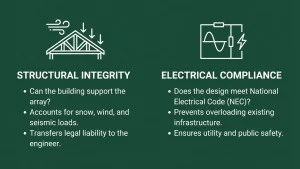
Electrical PE Stamps focus on system design, load calculations, and ensuring your installation won’t overload existing infrastructure. Furthermore, they verify NEC compliance and proper interconnection design.
State-by-State PE Stamp Requirements Solar Installers Face
Solar permit requirements 2026 projects need vary dramatically across the country. Therefore, understanding your specific state’s regulations prevents costly delays.
California: Strictest Solar Engineering Standards
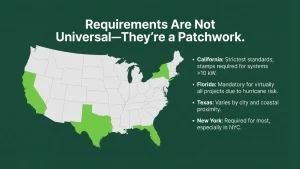
California maintains some of the tightest PE stamp requirements solar industry has seen. Structural PE stamps are typically required for rooftop systems exceeding 10 kW. Meanwhile, electrical PE stamps usually kick in for systems over 50 kW.
Additionally, Title 24 compliance and seismic considerations add complexity. As a result, working with California-licensed engineers becomes essential for smooth permitting.
Florida: Hurricane Zone Mandates
In Florida, PE stamp requirements solar installations face are mandatory for virtually all projects. This isn’t bureaucratic red tape—it’s survival engineering in hurricane-prone regions.
Hurricane zone regulations demand rigorous wind load calculations. Similarly, structural integrity assessments aren’t optional considerations. Code officials take these requirements seriously because inadequate engineering can lead to catastrophic failures.
Texas: City-by-City Variation
Texas doesn’t have statewide PE stamp requirements solar installers can follow universally. Instead, requirements shift depending on your location.
Major metropolitan areas like Houston, Dallas, and Austin typically require PE stamps for commercial projects. Likewise, larger residential systems face similar requirements. Coastal installations in hurricane zones face additional structural review requirements.
New York: Metropolitan Complexity
New York City and many upstate jurisdictions require PE stamps for most installations. Particularly, large-scale systems almost always need engineering review.
The state’s diverse climate conditions mean engineers must account for everything from snow loads to wind exposure. Therefore, working with New York-licensed PEs streamlines the approval process significantly.
Additional States With PE Requirements
Several other states have specific PE stamp requirements solar professionals should understand:
- Arizona and Nevada: Typically required only for large systems or structurally impacting installations
- Colorado: PE stamps required, especially for snow and wind load reviews
- Illinois: Commercial systems and residential installations with roof load concerns
- Georgia, North Carolina, South Carolina: Commercial systems typically need PE review
- Washington and Oregon: Required for commercial installations and rooftop evaluations
- Michigan, Ohio, Minnesota: Needed for most commercial projects
When System Size Triggers PE Stamp Requirements Solar Projects Need
Beyond state regulations, system size often determines whether you’ll need engineering stamps. Most AHJs mandate PE review for:
- Commercial solar projects (regardless of size in many jurisdictions)
- Residential systems exceeding 10-15 kW
- Ground-mounted arrays of any significant size
- Solar carports and covered structures
- Installations requiring structural modifications
- Systems in areas with special load considerations
Additionally, u
tility companies frequently require PE-stamped plans before approving interconnection applications. Even when local jurisdictions don’t mandate stamps, utilities often do.
Cost Impact of Missing PE Stamp Requirements Solar Permits Need
Permit rejections don’t just cause delays—they cascade into serious financial problems. A two-week setback means rescheduling installation crews and explaining delays to frustrated clients.
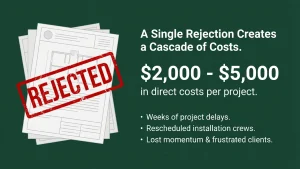
Many installers report rejection costs ranging from $2,000 to $5,000 per project. These costs include engineering fees, administrative time, and lost momentum. Furthermore, weather window concerns can push projects into less favorable seasons.
The smarter approach? Build PE stamping into your workflow from day one. Budget for engineering review as a standard line item. This prevents surprises and positions you as a professional.
How to Streamline Your PE Stamp Process
Successful solar companies aren’t fighting solar permit requirements 2026 installations face—they’re integrating them seamlessly. Here’s how:
Partner With Multi-State Licensed Engineers
Working with engineering firms licensed across all 50 states eliminates finding local engineers for each project. Look for services offering 15-24 hour turnaround times for residential projects.
Additionally, 24-48 hour turnaround for commercial installations keeps your pipeline moving. This speed maintains momentum without sacrificing quality or compliance.
Go Digital When Possible
Many jurisdictions now accept electronic PE stamps. This dramatically accelerates approval timelines compared to physical stamps.
Confirm whether your local AHJ accepts digital submissions—it could shave days off your permitting schedule. Moreover, digital workflows reduce paper handling and improve document tracking.
Create AHJ-Specific Checklists
If you work in multiple jurisdictions, maintain checklists detailing each area’s specific requirements. This prevents missed stamps and reduces back-and-forth with building departments.
Furthermore, standardized checklists improve team consistency and training efficiency. New team members can reference these resources immediately.
Why 2026 Requirements Are Getting Stricter? Solar Permit Requirements 2026.
Several factors are driving increased scrutiny of solar permit requirements 2026 projects must meet:
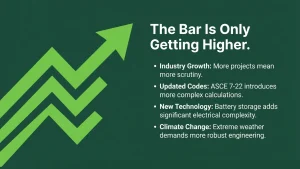
The massive growth in solar installations means code officials are seeing more projects than ever. Consequently, they’re also seeing more potential safety issues that require professional oversight.
Updated building codes like ASCE 7-22 introduce new calculation methods. Previous design approaches don’t address these updated standards. Therefore, PE review becomes essential for code compliance.
Battery storage integration adds electrical complexity requiring professional engineering oversight. Climate change influences requirements as extreme weather events become more frequent. Engineering calculations must account for worst-case scenarios.
Moving Forward With Confidence
Understanding solar permit requirements 2026 professionals encounter isn’t optional knowledge—it’s fundamental to running a successful installation business. The regulatory environment isn’t becoming more relaxed. Instead, expect requirements to tighten as the industry matures.
Once you integrate PE stamping into your standard workflow, it becomes a competitive advantage. You’ll close more deals by demonstrating professionalism. You’ll avoid costly delays. Most importantly, you’ll deliver safer installations that protect your clients and your reputation.
Ready to Eliminate Permitting Delays?
EnergyScape Renewables provides PE stamping services across all 50 states with industry-leading 15-24 hour turnaround times. Our licensed engineers handle both structural and electrical stamps, ensuring your projects sail through permitting without rejections.
We understand solar—which means we speak the same language as your design team. We know exactly what AHJs require because we work with them daily. Stop searching for local engineers for every project.

Visit EnergyScape Renewables to streamline your permitting process today.
Pair your engineering services with Sunscape’s comprehensive project management platform. From site surveys to CRM integration, Sunscape helps you manage every aspect of your solar business in one place.
Capture field data accurately, automate compliance checklists, and move seamlessly from survey to stamped plans to installation. Visit Sunscape Solar to see how we’re helping installers work smarter.
Frequently Asked Questions About Solar Permit Requirements 2026
Do I need a PE stamp for residential solar installations?
It depends on your state and system size. Florida requires PE stamps for virtually all installations. California typically requires stamps for systems over 10 kW. Texas requirements vary by city. Always check with your local AHJ before submitting plans.
How much does a solar PE stamp cost?
PE stamp costs typically range from $200 to $650 per project. Costs vary based on project complexity, system size, and whether you need structural, electrical, or both stamps. Many engineering firms offer package pricing for installers who submit multiple projects.
What states require PE stamps for solar installations?
States with stringent requirements include Florida (mandatory for most), California (systems over 10 kW), New York (especially NYC), and Texas coastal areas. However, requirements vary significantly by jurisdiction even within states. Check local AHJ requirements for your specific project location.
Can I use the same PE stamp in multiple states?
No. PE licenses are state-specific. An engineer licensed in California cannot legally stamp plans for Texas projects without Texas licensure. Work with engineering firms holding licenses in all states where you operate.
How long does PE stamp approval take?
Professional engineering firms typically provide 15-24 hour turnaround for residential projects and 24-48 hours for commercial installations. However, if you need to find and onboard a new engineer, the process can take weeks.
What’s the difference between structural and electrical PE stamps?
Structural PE stamps verify that buildings can support solar array loads, considering roof framing and climate factors. Electrical PE stamps confirm system design meets NEC requirements and won’t overload existing infrastructure. Many projects require both stamps.
sjayakanth@energyscaperenewables.com