
The Real Cost of Cheap PE Stamps: Why First-Time Approval Rates Matter More Than Price

Why Do Solar Permits Keep Getting Rejected Despite Having PE Stamps?
Your permit just got rejected. Again. The client’s frustrated, your crew’s sitting idle, and you’re staring at another week of delays because the cheapest PE stamp provider didn’t catch critical code violations. Here’s the reality most solar installers discover too late: PE stamp first-time approval rates matter far more than upfront costs. A $200 stamp that gets rejected costs exponentially more than a $500 stamp that passes on the first try.
Understanding PE Stamps in Solar Projects
Professional Engineer stamps aren’t just bureaucratic red tape—they’re your certification that solar designs meet structural integrity standards, electrical safety codes, and local building requirements. When a licensed PE reviews your project, they’re putting their professional license on the line to confirm your installation won’t create safety hazards or code violations.
The solar industry added approximately 50 gigawatts of new capacity in 2024, making it the second consecutive record-breaking year. However, with this growth comes increased regulatory scrutiny. Authorities Having Jurisdiction (AHJs) across the country are tightening permitting standards and rejecting subpar engineering reviews.
Hidden Costs of Cheap PE Stamps
That bargain-basement PE stamp might look attractive when you’re trying to keep project costs down. Consider what happens when your permit gets rejected, though. Resubmission fees ranging from $100 to $500 hit immediately, depending on the jurisdiction.
Timeline impact creates even bigger problems. The average permit resubmission adds two to four weeks to your project schedule. During that time, your crew either sits idle (costing you labor) or gets reassigned to other jobs. Meanwhile, your client’s watching their electric bills climb while their solar system sits in limbo.
Failed inspections create the worst scenario. Some installers think they can squeeze through permitting without proper PE stamps, only to get stopped cold during inspection. The liability exposure is perhaps the most dangerous hidden cost—without proper PE certification, you’re personally liable if structural or electrical issues arise.
What Makes PE Stamp First-Time Approval Rates Critical
PE stamp first-time approval rates separate professional solar engineering firms from rubber-stampers who barely glance at your drawings. Top engineering firms maintain rates between 96% and 99%, while budget providers often fall below 80%. That difference translates directly into your project success rate and bottom line.

Partnering with engineering firms that prioritize first-time approval rates means buying certainty. Permits move through AHJ review without delays, clients stay happy because projects complete on schedule, and your reputation grows as the installer who delivers on promises rather than making excuses about permitting delays.
High PE stamp first-time approval rates indicate thorough engineering review. These firms examine structural load calculations, verify electrical diagrams comply with National Electrical Code requirements, and ensure your design meets local building codes. They catch issues before AHJs do, saving you from embarrassing rejections and costly redesigns.
Red Flags of Low-Quality PE Stamp Providers
Several warning signs indicate you’re dealing with a rubber-stamper rather than a professional engineering firm. Be wary of providers who offer overnight PE stamps without asking substantive questions about your project. Quality engineering review takes time because engineers need to verify calculations, check code compliance, and ensure structural integrity.
Rock-bottom pricing should raise immediate concerns. Professional engineering review requires licensed engineers with years of solar experience, comprehensive liability insurance, and thorough quality control processes. When a provider charges half the market rate, they’re cutting corners somewhere—and you’ll discover where when your permit gets rejected.
Lack of solar-specific expertise is another red flag. Some PE firms handle distributed energy projects as a sideline to their main business. These generalists don’t understand the nuances of solar mounting systems, module coupling, or inverter configurations.
The Business Case for Quality PE Stamps
Let’s examine the real numbers. Compare two PE stamp options: Provider A charges $300 with an 80% first-time approval rate, while Provider B charges $500 with a 99% rate. With Provider A, 20% of your projects face permit rejection, adding an average of three weeks and $400 in additional costs per rejection. Across 50 projects annually, that’s 10 permit rejections costing $4,000 plus scheduling chaos from 30 weeks of cumulative delays.

Provider B costs $10,000 more per year upfront but virtually eliminates permit rejections. You save the $4,000 in resubmission fees, avoid scheduling disruptions, maintain client satisfaction, and protect your reputation. The return on investment is clear—you’re actually losing money by choosing the cheaper option.
Consider the opportunity cost as well. Every week spent dealing with permit rejections is a week you’re not closing new sales or completing installations. In solar’s competitive environment, companies that execute efficiently win market share from those constantly fighting permitting problems.
State-Specific PE Stamp Requirements
PE stamp requirements vary dramatically across the United States. California commonly requires structural PE stamps for rooftop systems over 10 kW and electrical stamps above 50 kW, with Title 24 compliance and seismic considerations adding complexity. Florida mandates PE stamps for virtually all solar installations due to hurricane zone regulations, making wind load calculations non-negotiable.

Texas requirements vary significantly by city and county, with major metropolitan areas typically requiring PE stamps for commercial projects and larger residential systems. States like Arizona and Nevada may be more lenient, though individual AHJs can still require PE certification depending on system type.
Working with engineering firms licensed in all 50 states ensures you’re covered regardless of project location. These firms understand regional code variations, maintain relationships with local AHJs, and know exactly what each jurisdiction expects in permit applications.
How to Evaluate PE Stamp Providers
When selecting a PE stamp provider, start by verifying their licensure and insurance. Request proof of insurance certificates showing they carry adequate errors and omissions coverage. Confirm they employ PEs licensed in your project’s state, as most states require stamps from engineers licensed in that specific jurisdiction.
Ask about their solar-specific experience. What’s their first-time approval rate across different jurisdictions? Can they provide references from other solar installers? Professional firms are transparent about their track record because they’re proud of their results.
Evaluate their turnaround times as well. Quality engineering review typically takes 24 to 48 hours for standard residential projects. Be suspicious of firms promising instant turnaround—thorough review can’t be rushed beyond certain limits without sacrificing quality.
Building PE Stamping Into Your Workflow
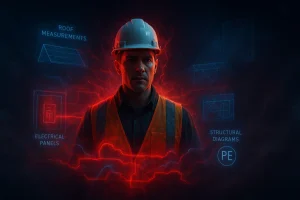
Successful solar companies integrate engineering review into their workflow from day one rather than treating PE stamps as an afterthought. During the sales process, budget for PE stamp costs upfront so clients understand the complete project price. Collect detailed site information that engineers need: accurate roof measurements, electrical panel specifications, structural details, and local code requirements.
Establish relationships with engineering firms rather than shopping for the cheapest option on every project. This partnership approach creates familiarity—engineers learn your design preferences, understand your typical project types, and work more efficiently. You get faster turnaround times and better communication because you’re a valued client rather than a one-time transaction.
Partner With Engineering Excellence
At EnergyScape Renewables, we understand that PE stamp first-time approval rates aren’t negotiable—they’re essential for your business success. Our overnight engineering team handles structural and electrical PE stamps with typical 15-24 hour turnaround times, and our 99% first-time approval rate means your projects keep moving forward without costly delays or resubmissions.
We don’t rubber-stamp drawings. Our licensed professional engineers conduct comprehensive reviews that catch issues before AHJs do, ensuring your permits sail through approval processes. From initial design through final interconnection, we’re your partner in navigating the complex permitting landscape across all 50 states.
Stop gambling with cheap PE stamps that create expensive problems. Visit Sunscape Solar to explore our CRM solutions that streamline your entire sales and project management process, or connect with EnergyScape Renewables for expert engineering services that keep your pipeline flowing.
Contact us today at +1 855-263-0700 or email your requirements to info@energyscaperenewables.com to experience the difference that professional engineering makes in your solar business.
sjayakanth@energyscaperenewables.com