
Structural PE Stamp Requirements: Solar Installer Guide

Structural PE Stamp vs. Electrical Engineering Stamp: Solar Project Requirements Guide
Understanding PE Stamps for Solar Installations
Every solar installer faces this challenge: your permit application sits rejected because you’re missing the right engineering stamp. Meanwhile, your customer’s growing frustrated, and your installation schedule is falling apart.
A structural PE stamp certifies that your mounting system can handle environmental loads. In contrast, an electrical engineering stamp verifies your system’s electrical safety. Therefore, knowing which stamp you need—and when—keeps your projects moving forward.
According to Global Market Insights, the residential solar market will grow from $6.1 billion in 2023 to $10.5 billion by 2032. Consequently, understanding permit requirements becomes critical for capturing this growth.
What Is a Structural PE Stamp?
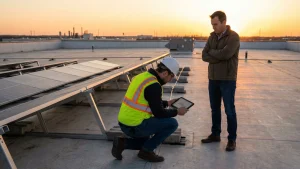
A structural PE stamp is a Professional Engineer’s certification that your solar installation meets structural safety requirements. Licensed structural engineers review load calculations, mounting designs, and attachment methods before applying their stamp.
When Do You Need a Structural PE Stamp?
You’ll need a structural PE stamp for these project types:
Residential rooftop systems exceeding 10 kW in strict jurisdictions like California require structural stamps. Additionally, older buildings or complex roof geometries often trigger this requirement regardless of system size.
Commercial installations almost always need structural stamps. Furthermore, flat roofs, ballasted systems, and high-wind zones make structural certification mandatory.
Ground mount systems require structural stamps for foundation design. Moreover, engineers must verify that soil conditions and environmental loads are properly addressed.
Carport structures where solar panels form the primary structure need comprehensive structural review. Similarly, parking lot canopies require detailed engineering analysis.
What Structural Engineers Review
Structural engineers analyze these critical factors:
First, they calculate dead loads from equipment weight. Next, they assess live loads including maintenance access and snow accumulation. Then, they evaluate wind uplift forces based on ASCE 7 wind zone maps. Finally, they verify seismic design requirements in earthquake-prone regions.
In hurricane zones, wind load calculations aren’t optional—they’re mandatory for virtually all solar installations. Therefore, coastal installers must prioritize structural engineering.
What Is an Electrical Engineering Stamp?
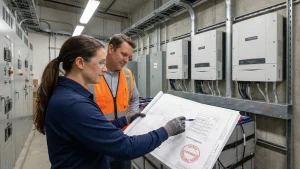
An electrical engineering stamp certifies that your system’s electrical design complies with the National Electrical Code (NEC) and local electrical standards. Licensed electrical engineers review wire sizing, overcurrent protection, and utility interconnection before stamping plans.
When Do You Need an Electrical Engineering Stamp?
Electrical stamps become necessary in these situations:
Large residential systems typically above 50 kW require electrical stamps in most states. However, some jurisdictions require them at lower thresholds.
Commercial projects of significant size need electrical engineering review. Additionally, complex interconnections or battery storage integration trigger this requirement.
Supply-side connections and center-fed panels often require electrical stamps. Specifically, load calculations exceeding standard approaches need professional engineering review.
Key Electrical Engineering Verifications
Electrical engineers certify several critical components:
They verify wire sizing meets ampacity requirements. They confirm overcurrent protection is properly rated. They validate grounding and bonding compliance. They calculate voltage drop throughout the system. They review utility interconnection specifications.
Structural PE Stamp vs. Electrical Stamp: Key Differences
| Factor | Structural PE Stamp | Electrical Engineering Stamp |
|---|---|---|
| Primary Focus | Load capacity and structural integrity | Electrical safety and code compliance |
| Reviews | Roof framing, mounting systems, foundations | Wire sizing, interconnections, protection devices |
| Critical For | Wind zones, snow regions, older buildings | Large systems, battery storage, complex electrical |
| Typical Cost | $300-$700 | $200-$600 |
| Required When | Commercial projects, high-load environments | Systems >50kW, utility-scale projects |
Decision Framework: Which Stamp Does Your Project Need?
Small Residential Projects (Under 10 kW)
Most jurisdictions don’t require stamps for standard residential installations. However, you should consider a structural PE stamp when:
- The building is over 30 years old
- Roof condition raises concerns
- Local code specifically requires it
Medium Residential Projects (10-50 kW)
California commonly requires structural PE stamps for rooftop systems over 10 kW. Similarly, Florida makes PE stamps mandatory due to hurricane zone regulations. Therefore, check your state requirements carefully.
You’ll typically need:
- Structural stamp: Yes, in strict jurisdictions
- Electrical stamp: Depends on local AHJ requirements

Commercial Projects (Any Size)
Commercial installations almost always require both stamps. Specifically:
- Both structural and electrical stamps are standard
- Civil engineering may be needed for large ground mounts
- Additional permits for parking structures or carports
State-by-State Requirements: Where Stamps Matter Most
High-Requirement States
California leads with strict structural PE stamp requirements. Electrical PE stamps typically apply for systems over 50 kW.
Florida mandates stamps for virtually all installations because of hurricane regulations. Consequently, installers must budget for engineering review on every project.
New York requires both stamps for most commercial projects. Additionally, New York City has particularly stringent requirements.
Texas varies significantly by jurisdiction. Houston, Dallas, and Austin each have different standards. Therefore, always verify local requirements before bidding.
Moderate-Requirement States
Arizona, Nevada, Colorado, and Georgia typically require stamps for commercial projects. However, residential requirements vary by jurisdiction.
Visit the Database of State Incentives for Renewables & Efficiency (DSIRE) for state-specific solar regulations and permitting information.
Best Practices for PE Stamp Success
Check Requirements Early
Before submitting proposals, verify what stamps your local Authority Having Jurisdiction (AHJ) requires. Furthermore, don’t assume requirements based on previous projects.
Gather Complete Documentation
Engineers need accurate information to provide stamps efficiently. Specifically, collect:
- Complete roof specifications
- Structural drawings or plans
- Equipment specifications
- Local wind and snow load data
- Soil reports for ground mounts

Build Engineering Partnerships
Having reliable engineering partners provides competitive advantages. Additionally, established relationships ensure faster turnaround times.
Factor Costs Into Pricing
PE stamps are legitimate project expenses that protect everyone involved. Therefore, build these costs into your bids rather than absorbing them.
The Real Cost of Permit Delays
A rejected permit typically costs 2-3 weeks in delays. During this time, your installation crew sits idle. Meanwhile, customer satisfaction drops. Finally, your cash flow takes a significant hit.
Consider this: the typical PE stamp costs $200-$900. In contrast, project delays can cost $5,000 or more in lost revenue. Therefore, investing in proper engineering review makes financial sense.
How to Avoid Common PE Stamp Mistakes
Mistake #1: Assuming residential projects don’t need stamps. Solution: Always verify local requirements.
Mistake #2: Using generic engineering firms unfamiliar with solar. Solution: Partner with solar-specialized engineers.
Mistake #3: Submitting incomplete documentation. Solution: Use checklists to ensure you provide all necessary information.
Mistake #4: Waiting until permit submission to think about stamps. Solution: Address engineering requirements during project planning.
Moving Forward: Streamline Your Permitting Process
Understanding structural PE stamps versus electrical engineering stamps is fundamental to solar business success. Moreover, as the industry grows, companies with efficient permitting processes will capture more market share.
The key is preparation. First, know your local requirements. Next, gather complete documentation. Then, partner with reliable engineers. Finally, factor costs appropriately into your pricing.
By following these practices, you’ll minimize permit delays and maximize customer satisfaction. Additionally, you’ll build a reputation for professionalism that sets you apart from competitors.
Accelerate Your Solar Projects Today
Managing permits, engineering requirements, and project workflows requires the right tools and partners. Here’s how to transform your operations:
Optimize Project Management with Sunscape
Sunscape Solar provides cutting-edge CRM and project management software designed specifically for solar installers and EPCs. Track every project from initial site survey through final Permission to Operate (PTO).
Our platform helps you:
- Manage customer relationships seamlessly
- Track permit status in real-time
- Coordinate with engineering partners
- Schedule installations efficiently
- Monitor project profitability
Visit Sunscape.solar to discover how our software streamlines your entire workflow.

Get Expert PE Stamping with Energyscape Renewables
Energyscape Renewables delivers comprehensive engineering services including rapid 24-hour structural PE stamp and electrical engineering stamp services across all 50 states.
Our services include:
- Structural and electrical PE stamps
- Complete permit package preparation
- Site evaluations and assessments
- Utility interconnection applications
- Engineering letters and certifications
With our 99% first-time approval rate and overnight turnaround times, permitting won’t slow you down. Contact us at +1 855-263-0700 or email info@energyscaperenewables.com for immediate assistance with your PE stamping needs.
Let us handle the engineering while you focus on installations. Together, we’ll keep your projects moving and your customers happy.
FAQ: Common Questions About PE Stamps for Solar
How much does a structural PE stamp cost?
Structural PE stamps typically cost between $300-$700 depending on project complexity. Therefore, factor these costs into your project estimates.
Can I use the same engineer for both stamps?
No. Most states require separate structural and electrical engineers. Each professional stamps only within their area of licensure.
How long does PE stamp approval take?
With complete documentation, specialized solar engineering firms deliver stamps in 24-48 hours. In contrast, traditional engineering firms may take 1-2 weeks.
What happens if I skip required PE stamps?
Permit rejection is guaranteed. Subsequently, you’ll face 2-3 week delays while obtaining proper engineering review. Moreover, costs can exceed $5,000 in lost productivity.
Do all states accept digital PE stamps?
Most jurisdictions now accept digital stamps. However, some AHJs still require wet stamps (physical ink or embossed seals). Therefore, verify requirements before submission.
Can an out-of-state engineer provide stamps?
Generally, no. Most states require stamps from engineers licensed in that specific state. However, some states offer reciprocity for certain licenses.
sjayakanth@energyscaperenewables.com