
Energy Independence vs. Bill Savings: Which Solar Value Proposition Wins in 2025?

Should You Lead With Energy Independence or Bill Savings in 2025?
The solar industry stands at a critical crossroads in 2025. Specifically, the federal 30% tax credit ends December 31, 2025. Meanwhile, utility rates climb 5-15% annually across most US markets. Consequently, solar installers and EPCs face a fundamental question. Should you lead with energy independence or bill savings?
Ultimately, the answer directly impacts your close rates. Additionally, it shapes customer satisfaction and long-term referrals. However, most solar companies still use outdated pitches. Unfortunately, these one-size-fits-all approaches fail to resonate. Instead, the solution lies in understanding value propositions. Therefore, you must know which connects with different customer segments. Then, deploy both messages strategically.
Why the Solar Value Proposition Debate Matters Now
Notably, residential solar sales have fundamentally shifted in 2025. According to SEIA data, the industry loses Section 25D tax credits after 2025. Furthermore, this applies to customer-owned residential solar. As a result, the deadline creates unprecedented urgency.
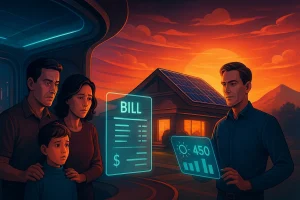
Meanwhile, utility companies implement aggressive rate increases nationwide. For instance, Ameren Illinois announced an 18-22% bill increase starting June 1, 2025. Similarly, ComEd customers saw a $10.60 monthly increase. Consequently, these dramatic shifts change the financial calculus. Therefore, solar now goes beyond simple payback calculations.
Clearly, solar installers and EPCs need sophisticated messaging strategies. In fact, the installers winning deals don’t just sell panels. Rather, they sell solutions to pressing concerns about energy costs and grid reliability.
Understanding the Energy Independence Value Proposition
First, energy independence represents an emotionally compelling reason to go solar. Specifically, this value proposition taps into fundamental human desires. These include control, security, and autonomy. Moreover, it addresses deeper psychological needs beyond cost savings.
Notably, industry experts observe a crucial shift for 2025. In particular, solar sales personnel find more success discussing energy security. Furthermore, homeowners can now replace utility electricity with self-generated power. Additionally, solar and storage systems make this possible.
Key Components of the Energy Independence Pitch
The energy independence value proposition includes several critical elements. Initially, it emphasizes protection from utility rate volatility. Consequently, homeowners lock in energy costs for 25+ years. Second, it highlights backup power capabilities with battery storage. Therefore, lights stay on during grid outages. Third, it positions homeowners as energy producers rather than just consumers.
Additionally, solar installers emphasizing energy independence tap into cultural values. These include self-reliance and resilience. Furthermore, energy independence protects against aging infrastructure and severe weather events.
Specifically, this messaging resonates in markets with unreliable grids. Similarly, markets with high net metering compensation respond well. For EPCs working with commercial clients, translate energy independence into business continuity instead.
The Financial Appeal of Bill Savings Value Propositions
While energy independence appeals to emotions, bill savings speak the language of ROI. In fact, this value proposition remains the cornerstone of solar sales. Moreover, it delivers concrete, quantifiable benefits homeowners immediately understand.

Notably, solar panels reduce electricity bills by 70-90% on average. Additionally, net metering allows customers to earn credits. Consequently, these numbers tell a compelling story. Therefore, the bill savings value proposition transforms solar from environmental choice to smart financial decision.
Quantifying Solar Savings in Today’s Market
Importantly, the bill savings pitch depends on accurate projections. Therefore, solar installers must present personalized savings data. Specifically, factor in current utility rates carefully. Also, include projected rate escalations and system production capabilities.
In many areas, homeowners see immediate bill reductions after installation. Furthermore, solar payback periods can be remarkably short. In optimal conditions, returns happen in just 3.7 years.
Additionally, the financial value proposition strengthens with multiple benefits. First, homeowners gain the 30% federal tax credit through December 2025. Moreover, this averages $9,000 in immediate savings. Second, state and local rebates provide extra value. Finally, home values increase by 4.1% to 6.8% with solar installations.
Which Value Proposition Actually Wins More Solar Deals?
Interestingly, successful solar installers have discovered an important truth. Neither value proposition wins in isolation. Instead, the most effective approach combines both messages strategically. Therefore, base your emphasis on customer segment and market conditions.
Importantly, research shows energy security and cost savings work together. Furthermore, homeowners can reduce utility bills while gaining protection from changing policies. However, the key is understanding when to emphasize each message.
Segmenting Customers by Value Proposition Preference
Notably, different customer segments respond to different propositions. For example, budget-conscious homeowners prioritize bill savings and ROI metrics. Conversely, affluent homeowners prioritize energy independence instead. Meanwhile, middle-income families need a hybrid approach combining both propositions effectively.
Adapting Your Solar Sales Strategy for 2025 Market Conditions
Significantly, the expiring federal tax credit creates opportunity and challenge. Therefore, smart companies use this deadline strategically. Specifically, they create compelling “Why Now” messaging that incorporates both value propositions.

Importantly, homeowners have until December 31, 2025 to capture savings. Consequently, installing solar locks in the 30% federal tax credit. Moreover, this averages $9,000 in immediate savings.
Combining Value Propositions for Maximum Impact
Clearly, the most sophisticated approach presents a unified proposition. Specifically, it weaves financial benefits and energy security together. Therefore, start conversations with diagnostic questions to understand what matters most.
For instance, are they concerned about rising utility bills? Or perhaps grid reliability issues? Maybe environmental impact drives their interest? Consequently, their answers guide which value proposition leads.
Furthermore, frame the 2025 tax credit strategically. Specifically, present it as the last chance for affordable savings. Additionally, emphasize locking in energy independence before costs rise. As a result, this messaging delivers both financial urgency and emotional appeal.
Creating Effective Solar Proposals That Win
Importantly, your proposal documents should reflect strategic balance. Therefore, include both energy independence and bill savings equally. Specifically, leading solar companies structure proposals comprehensively while maintaining clarity.
First, start proposals with a personalized executive summary. Then, systematically present supporting data for both propositions. Additionally, include detailed financial projections showing monthly and annual savings.
Furthermore, visual representations matter enormously in proposals. Therefore, use graphs showing projected utility rate increases. Also, display home energy usage patterns alongside solar production curves.
The Role of Battery Storage in Value Proposition Messaging
Significantly, battery storage systems bridge both value propositions effectively. In fact, a record 28% of installations were paired with storage recently. Moreover, rates continue growing as utilities implement dynamic structures.
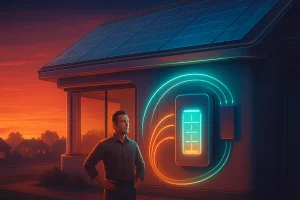
Importantly, with batteries, energy independence becomes tangible and immediate. Furthermore, homeowners experience genuine grid independence during outages. Simultaneously, storage enhances bill savings through time-of-use rate optimization.
Therefore, for solar installers, battery storage isn’t just an upsell. Rather, it’s the product making both value propositions more compelling. Consequently, emphasize dual benefits delivering maximum returns and complete security.
Tailoring Your Approach Across Different Markets
Clearly, geographic markets require different value proposition emphases. For instance, in Texas, grid reliability issues dominate headlines. Therefore, energy independence messaging resonates powerfully there.
Conversely, in California, NEM 3.0 reduced export compensation significantly. Consequently, storage for bill savings and backup power creates the strongest pitch.
Similarly, northeastern markets face harsh winters and ice storms. Therefore, reliability messaging performs best. Meanwhile, southwestern markets have abundant sunshine and high cooling costs. Thus, bill savings from offsetting air conditioning wins.
Additionally, commercial clients evaluate solar differently. Therefore, for C&I clients, translate energy independence into business continuity. Furthermore, frame bill savings as margin improvement and competitive advantage.
Why Now: Creating Urgency Without Pressure
Importantly, the December 31, 2025 tax credit deadline creates natural urgency. However, effective solar sales requires framing this appropriately. Therefore, avoid high-pressure tactics that damage trust.
Instead, position the deadline as a genuine financial decision point. Specifically, for bill savings, the tax credit directly affects ROI calculations. For instance, spending $20,000 on solar panels yields different results with the credit.

Similarly, for energy independence messaging, frame the ending tax credit carefully. Consequently, achieving grid independence becomes substantially more expensive afterward. Therefore, position it as increasingly necessary but less accessible.
Want to know more about navigating the post-tax credit landscape? Discover proven strategies for positioning your solar offerings in the new market reality.
Read our latest blog: Energy Independence vs Bill Savings: The New Solar Value Proposition for 2026.
Conclusion: Partner with EnergyScape Renewables
The winning solar sales strategy doesn’t choose between energy independence and bill savings. Instead, it strategically combines both value propositions based on your customer’s unique needs. Successful installers understand that these messages complement rather than compete with each other.
However, compelling value propositions alone won’t close deals. You also need engineering excellence, streamlined processes, and reliable technical support. That’s where EnergyScape Renewables comes in.
We provide comprehensive services for solar installers and EPCs nationwide. Our offerings include overnight engineering, PE stamping across all 50 states, professional sales proposals, and complete permitting support. Additionally, our Sunscape CRM platform helps you manage the entire sales process efficiently.
Whether your market responds to energy independence or bill savings messaging, we deliver the technical foundation you need. Contact EnergyScape Renewables today to strengthen your value proposition and close more deals in 2025’s competitive solar market.
sjayakanth@energyscaperenewables.com