
Residential Solar Engineering: What Homeowners Need to Know Before Going Solar

Why Residential Solar Engineering Is the Backbone of a Successful Home Solar System?
Solar panels don’t just land on rooftops by chance. Behind every seamless residential installation is a team of engineers ensuring the system will work safely, efficiently, and for the long haul. Residential solar engineering is the overlooked hero in the solar adoption journey, transforming what looks like a simple panel layout into a system designed to optimize your roof, power needs, and utility rates.
As someone who’s spent years working closely with homeowners, EPCs, and design teams, I’ve learned this: when solar engineering is done right, you barely notice it. But when it’s rushed or ignored, it’s the first thing that falls apart—especially when permitting delays or system underperformance start costing time and money.
What Residential Solar Engineering Actually Involves?
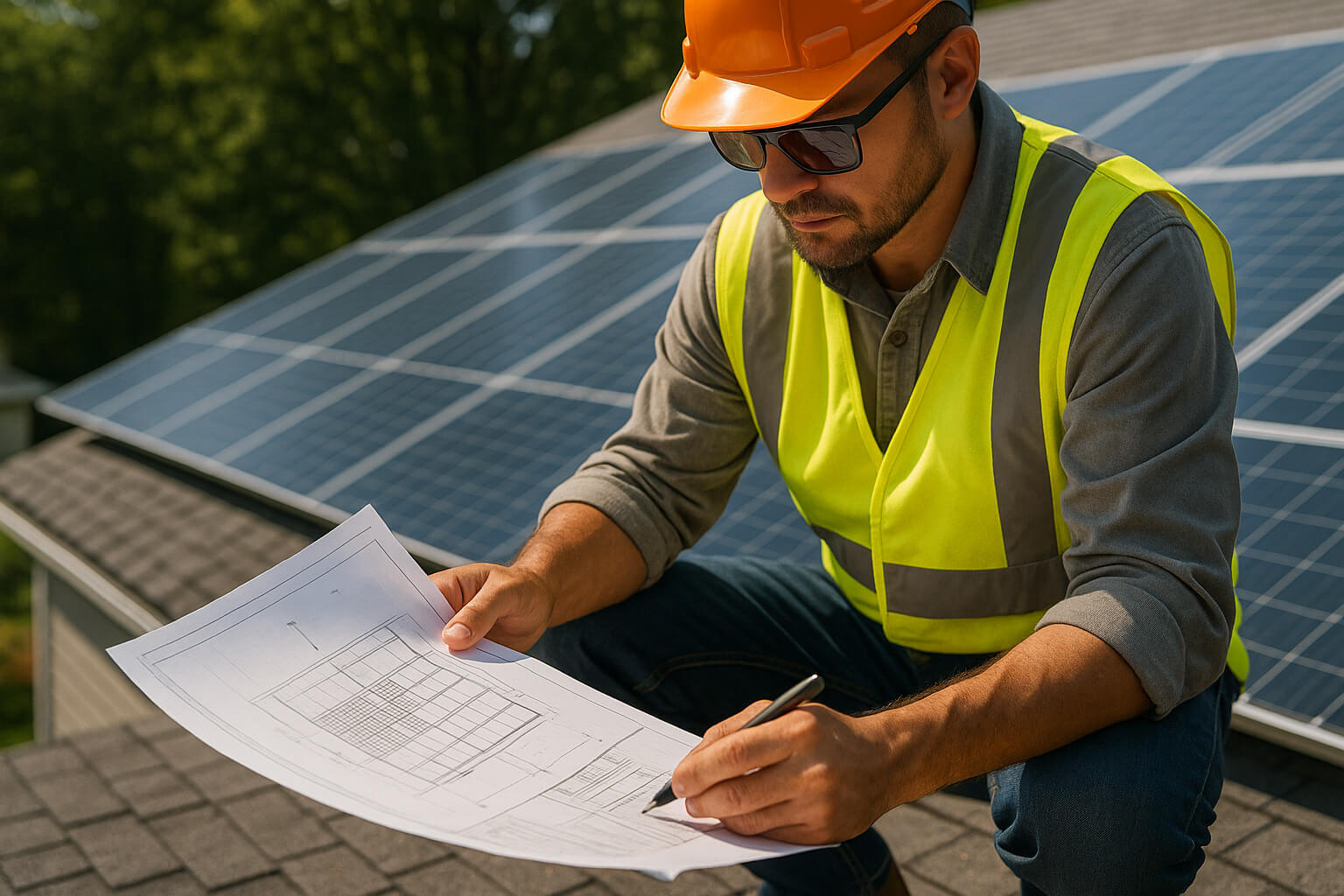
Residential solar engineering is the process of designing and validating the structural and electrical integrity of a home solar power system. It covers much more than panel layout. Think of it as the detailed blueprint that ensures everything works correctly—from the way panels are mounted to how electricity flows into your home and out to the grid.
At a minimum, it typically includes:
- Structural analysis of your roof (load calculations, rafter spacing, material integrity)
- Electrical line diagrams
- Shading and irradiance modeling
- Compliance with National Electrical Code (NEC 690)
- Fire setbacks, mounting rail specs, conduit path design
These technical details are packaged into a plan set used to obtain permits, satisfy utility interconnection rules, and guide the installation crew.

Why Homeowners Should Care About Solar Engineering?
You might think this is all handled by your installer—and most of it is. But not all residential solar engineering services are created equal. Some providers outsource these tasks to offshore teams unfamiliar with U.S. codes. Others rush through engineering to reduce costs, skipping key checks that impact longevity and performance.
Poor engineering can result in:
- Roof damage or leaks from improperly spaced attachments
- System underperformance due to poor layout
- Utility rejections from missing documentation
- Long permitting delays
Bottom line: better engineering leads to better systems. If you’re investing tens of thousands in solar, make sure the engineering behind it isn’t a rushed afterthought.
How Solar Engineering Improves Home Energy Performance?
One of the most important benefits of residential solar engineering is maximizing energy production for your specific home and lifestyle. Every roof is different. Panel orientation, tilt angle, shading from chimneys or trees, and even your electricity usage patterns all influence system performance.
A well-engineered system will consider:
- South vs. west-facing roof options
- Power optimization using microinverters or DC optimizers
- Design strategies to avoid early morning or late afternoon shading
- Time-of-use rate structures from your utility
This level of precision turns a basic solar install into a home energy strategy that actually works for your family—not just your installer’s bottom line.
Permitting and Code Compliance: Why It Starts with Engineering?
Across the U.S., permitting authorities (AHJs) have different requirements for residential solar systems. What flies in Arizona might get flagged in New Jersey. And utility companies are getting stricter on interconnection standards.
A good residential solar engineering team knows how to:
- Prepare permit-ready plan sets
- Address jurisdiction-specific requirements (setbacks, snow loads, fire codes)
- Communicate with inspectors during plan check
- Preempt common utility objections
When engineering is dialed in early, permit approvals are faster and construction timelines stay intact.

What to Look for in a Residential Solar Engineering Provider?
If you’re working with a solar installer, ask who does their engineering—and how. Look for:
- Licensed professional engineers (PE) in your state
- In-house vs. third-party engineering (U.S.-based teams preferred)
- Familiarity with your local building codes
- Access to accurate modeling software (Aurora Solar, PVsyst, HelioScope)
- Ability to support storage or EV charger design if needed
Don’t be afraid to request a sample plan set. It’ll show you how much detail they provide—and whether they take shortcuts.
Engineering for Solar + Storage and EV Charging
As home energy systems evolve, solar engineering is playing a bigger role in battery storage and EV integration. More homes are installing:
- Tesla Powerwall or similar lithium-ion battery banks
- Smart panels for load shifting
- Level 2 EV chargers
These upgrades add complexity to system design. Load calculations change. Backup loads must be isolated. Conduit paths get longer. Permitting becomes more involved. And poor planning can cause major headaches down the line.
If you’re planning storage or EV charging, make sure your engineer is fluent in these technologies—not just panels and inverters.
How Residential Solar Engineering Differs From Commercial
Unlike commercial systems that prioritize energy offset and demand management, residential systems are more nuanced. They need to:
- Blend into rooflines
- Meet aesthetic expectations
- Work with limited space and complex roof geometry
- Integrate with utility billing and NEM programs
In other words, residential solar engineering has to balance performance with appearance, compliance, and cost.
At EnergyScape, we design every residential system as if it’s our own. Because when it comes to your home, there’s no room for shortcuts.
Why Good Engineering Is Worth the Investment?
I’ve seen systems that looked fine on the surface but failed inspections due to weak attachments, overloaded circuits, or noncompliance with the latest NEC updates. I’ve also seen beautifully engineered systems last 25+ years with minimal issues.
It’s the quiet stuff—what lives in the plan set, not the sales pitch—that determines how well your system holds up.
If you’re evaluating solar options, ask about the engineering. It’s where good systems begin.
Learn how Energyscape Renewables can help you find the best solution in our guide to residential solar engineering.
sjayakanth@energyscaperenewables.com